
“Having values doesn’t automatically make a brand.” You could have the most beautiful product, an inspiring mission, or a gorgeous Instagram feed—but if your audience doesn’t see a need or desire for what you offer, your social media efforts may fall flat.
Purpose-driven business owners and small content creators often struggle with this: you want to show up authentically, but without understanding what your audience truly wants to buy, your content risks being entertaining but meaningless.
The Power of Knowing Your Audience
Understanding your audience isn’t just about demographics—it’s about psychographics, pain points, and purchasing behavior. When you know what people want:
–You create content that connects emotionally and rationally.
–You guide purchasing decisions naturally instead of pushing hard sales.
–You build trust and credibility, positioning your brand as thoughtful and purposeful.
“Slow growth feels wrong in a world obsessed with speed—but when you know your audience, your growth is meaningful and sustainable.”
How This Impacts Social Media Content
- Messaging Alignment: Every post reflects the needs and aspirations of your audience. Your captions, hooks, and slogans resonate because they speak directly to a known desire.
- Content Relevance: You focus on ideas and themes that matter to your audience, instead of generic “trending” topics.
- Visual Impact: Strong visual styling complements the message—think photos, videos, and graphics that communicate what your audience values.
- Engagement & Conversions: When content addresses genuine needs, it naturally attracts comments, shares, and clicks.
Pro Tip: “If marketing feels fake, you’re using someone else’s voice.” Your brand voice must communicate solutions your audience actually wants.
How to Learn What people want to Buy online:
1. Social Media Trends: Watch and Learn
Platforms like Instagram, TikTok, and Lemon8 are buzzing hubs for trending products and consumer interests. These platforms not only showcase viral content but also reflect what is currently popular in terms of products and experiences. To stay ahead, keep an eye on trending topics, product recommendations from influencers, and viral challenges that can inform your next content idea.
By integrating these trending topics into your posts, you can show that your business is in tune with what people are already talking about. This creates relevance, which is key to engaging your audience and potentially driving sales.
2. Google Trends: The Power of Search
Google Trends is an incredibly useful tool for understanding what people are searching for right now. It offers real-time data on search queries, allowing you to see what’s on the rise within your industry. By filtering results by location and time, you can get a snapshot of emerging trends that may influence consumer buying behavior. Incorporating these findings into your content can make it feel timely and relevant, which encourages interaction from potential customers.
3. E-commerce Platforms: Track Popularity
E-commerce platforms like Amazon, Shopee, and Lazada offer insights into what’s hot right now by showing trending products in real-time. You can explore sections like “Best Sellers” or “Most Wished For” to identify the products people are excited about across different categories. By understanding what’s trending on these platforms, you can shape your content to feature products that align with these interests, giving your audience more of what they’re likely to buy.
4. Industry Research: Dive Deeper into Consumer Insights
Sometimes, a more in-depth approach is needed. Industry research reports from sources like Statista, Mintel, and Nielsen provide valuable insights into consumer behavior and market trends. While some reports require a subscription, you can often find free data or summaries that highlight consumer interests and buying patterns. Armed with this knowledge, you can better tailor your content to address the needs and desires of your target market.
5. Customer Feedback: Ask and You Shall Receive
One of the most direct ways to find out what your audience wants is by simply asking them. Polls, surveys, and feedback requests via social media are great tools for gauging what your customers are interested in. Platforms like SurveyMonkey or Google Forms make it easy to collect this data. By engaging with your audience in this way, you not only learn what they’re interested in but also show that you value their opinions, which builds customer loyalty.
6. Online Communities: Tap Into Conversations
Reddit, Quora, and niche forums offer rich discussions around consumer interests, often revealing what people are talking about or actively seeking. By joining relevant groups or following specific threads, you can learn what products or services people are recommending or asking about. These insights can be invaluable for understanding what’s in demand and tailoring your content accordingly.
7. Seasonal and Cultural Trends: Play to the Calendar
Seasonality and cultural trends play a huge role in shaping consumer buying behavior. For example, fitness products spike during New Year’s resolutions, while outdoor gear sees increased interest in summer. By planning content around upcoming holidays, events, or shifts in the season, you can tap into these timely needs and align your posts with what people are ready to buy.
8. Social Listening Tools: Track the Conversation
Social listening tools like Hootsuite Insights or Brandwatch allow you to monitor mentions of specific topics, brands, or products across social media and online forums. These tools help you keep track of trending products or themes that resonate with your audience, offering direct insight into what your potential customers are interested in. By using these tools, you can refine your content strategy to better align with these conversations and drive engagement.
Summing Up: Applying This to Business Brands
For business owners who want to do it themselves without an agency:
- Research Buyer Behavior: Surveys, polls, social listening, and keyword research reveal what people want to buy.
- Map Needs to Your Offering: Align your product or service with the solution your audience seeks.
- Style Your Content Strategically: For brands with strong visual content, photos and videos should reinforce the emotional and functional appeal of your offerings.
- Test & Adjust: Use engagement metrics to refine content direction over time.
“You can’t read the label when you’re inside the bottle.” Step back, observe what your audience reacts to, and let that guide your creative decisions.
People are also searching:
Q1: How do I know what my audience wants to buy?
A: Observe engagement trends, analyze social media conversations, conduct surveys, and study purchasing behavior in your niche.
Q2: Can social media content alone drive sales if I don’t understand buyer intent?
A: No. Content without audience insight may attract attention, but it won’t create meaningful conversions or trust.
Q3: How often should I check what my audience wants?
A: Regularly—monthly or quarterly—because needs, trends, and pain points shift over time.
Q4: How does knowing buyer intent improve branding?
A: When your messaging, visuals, and content solve real problems, your brand becomes trusted, memorable, and authoritative.
Q5: Can small business owners apply this without a marketing agency?
A: Yes! By clarifying brand purpose, understanding buyer intent, and creating intentional messaging, small creators can succeed independently.
Q6: How do visuals enhance messaging for products people want?
A: Styling, layout, and video production can make the product desirable by visually demonstrating its benefits and reinforcing brand personality.
Why IreneKreations Stands Out
- Essence Before Trends: We help clarify your brand foundation before creating content, ensuring messaging resonates deeply.
- Credibility Over Sales: Focus on long-term brand trust and authority, not just clicks or followers.
- Tone Sensitivity: Your content feels aligned, safe, and intentional for the right audience.
- Realistic Systems: Strategies and AI workflows match your time and capacity, preventing burnout.
- Pre-Trend Insight: We guide messaging to anticipate shifts early, keeping your brand relevant without chasing noise.
Remember: “Inconsistency is often an identity problem, not a skill problem.” Knowing what people want ensures your content is consistent, intentional, and valuable.
Key Takeaway
Knowing your audience’s needs and desires is non-negotiable for social media content that builds a purposeful brand. When paired with strong visual styling, clear messaging, and intentional content, your brand becomes memorable, trusted, and sustainable.
Are you creating content that truly reflects what your audience wants—or are you guessing and hoping for engagement?
(Credits: Pexels)
✧⭒✦✧⭒✦◇ Ready to Level Up Your Socials? ✦⭒✧✦⭒✧
Still struggling with messy marketing or feel lost on social media? It’s time to change that. Dive into IreneKreations’ Recommended Social Marketing E-Books — a curated library filled with FREE and premium guides crafted for business owners who want real, lasting results.
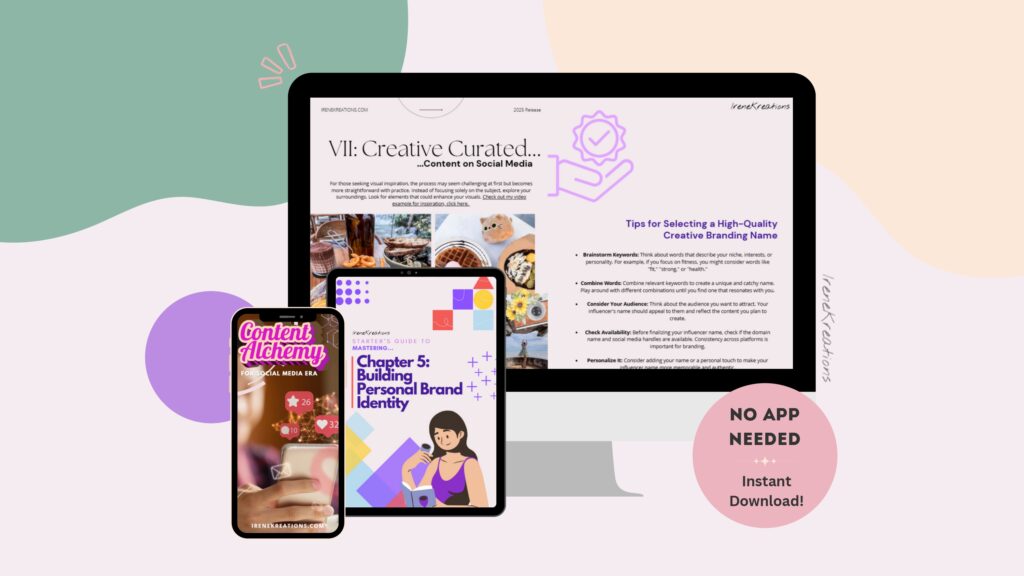
From social media to content strategy and branding, these resources are your shortcut to making marketing finally make sense (and work).
Instant access. Powerful strategies. Business-ready results.
Join IreneKreations Telegram Channel for More FREE Social Content Tips here