Not too long ago, influencer collaborations often began with a direct message from a brand.
Today, the starting point looks a little different.
Across industries—from food and lifestyle to beauty, travel, healthcare and technology—more collaborations are beginning because creators are introducing themselves first. Rather than waiting to be discovered, they are reaching out with ideas that align with a brand’s products, services or marketing goals.
At the same time, many businesses appear increasingly open to receiving collaboration proposals that are relevant, personalised and commercially meaningful.
While every brand approaches influencer marketing differently, this shift has become a noticeable part of today’s creator economy.
Influencer marketing has continued to evolve alongside changing consumer behaviour, social media platforms and business priorities.
Many companies are moving towards year-round creator partnerships, placing greater emphasis on audience relevance, authentic storytelling and measurable outcomes. Against this backdrop, proactive collaboration proposals from influencers and content creators have become a more common part of how partnerships begin.
This doesn’t necessarily replace traditional brand outreach, but it reflects another direction that many creators and businesses are navigating today.
What Is Proactive Influencer Outreach?
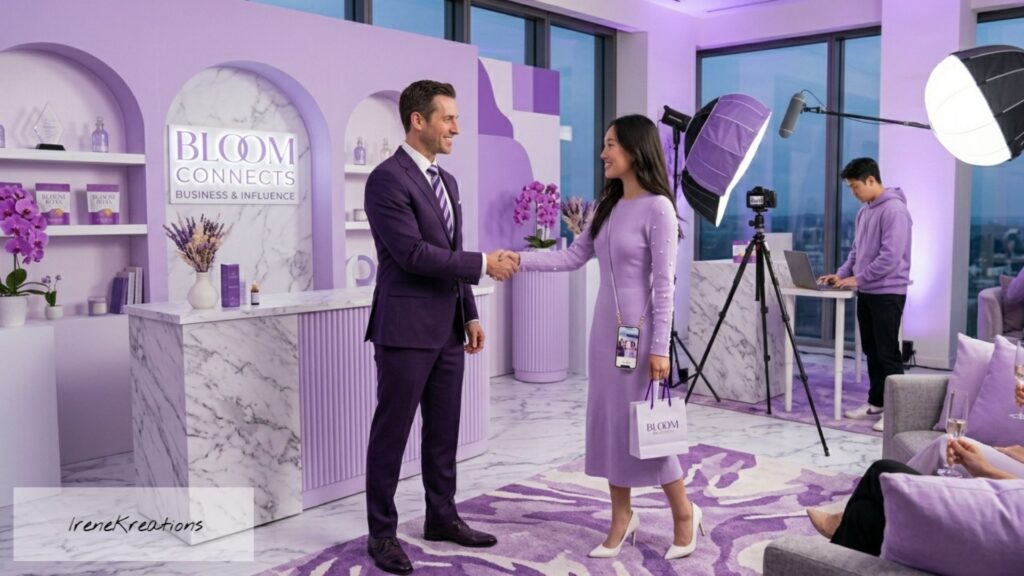
Proactive influencer outreach refers to creators approaching brands with a collaboration proposal instead of waiting for an invitation.
Rather than being a simple request, these proposals often introduce:
- The creator and their niche
- Their audience profile
- A content concept or campaign idea
- The intended marketing objective
- Potential deliverables
- How the collaboration could support the brand
In many cases, the proposal functions more like a creative brief than a sponsorship enquiry.
Why the Influencer Marketing Landscape Is Changing
Several developments have contributed to the current momentum.
Smaller Influencer Marketing Budgets
Many businesses are allocating their marketing budgets differently than they did a few years ago.
Instead of concentrating resources on a handful of high-profile campaigns, some brands are spreading collaborations across multiple creators throughout the year.
Always-On Creator Campaigns
Rather than planning one or two major influencer campaigns annually, many brands now maintain an ongoing presence through continuous collaborations.
This allows businesses to publish fresh content more consistently while working with a wider variety of creators.
Measuring More Than Follower Count
Follower numbers remain one consideration, but they are increasingly viewed alongside other performance indicators such as:
- Audience demographics
- Engagement quality
- Content relevance
- Brand alignment
- Storytelling
- Content longevity
- Campaign objectives
As influencer marketing matures, the discussion has expanded beyond audience size alone.
A Different Way Collaborations Begin
One noticeable trend is how many collaborations now start with the creator making the first introduction.
In some situations, creators already know the brand because they:
- Have purchased the product
- Regularly visit the business
- Enjoy the service
- Have identified an opportunity for relevant content
Instead of sending a short collaboration request, many proposals now outline:
- Who the audience is
- What type of content is planned
- The intended marketing objective
- How the collaboration may contribute to the brand’s visibility
Rather than asking:
“Can we collaborate?”
Some creators introduce a campaign concept that demonstrates how the partnership could benefit both parties.
The Rise of Nano and Micro Influencers
Another noticeable development is the growing visibility of smaller creators.
While celebrity influencers and large content creators continue to play an important role, many campaigns today also include nano and micro influencers.
Nano Influencers
Generally recognised as creators with approximately:
1,000–10,000 followers
They often cultivate close relationships with niche communities and local audiences.
Micro Influencers
Typically recognised as creators with approximately:
10,000–50,000 followers
They often combine professional content production with engaged communities, making them suitable for a wide variety of campaigns.
Rather than replacing larger influencers, these creator segments have become an increasingly visible part of the broader influencer marketing ecosystem.
Brand Priorities Continue to Evolve
As businesses adapt to changing consumer behaviour, collaboration discussions have also become more detailed.
Many proposals now include information such as:
- Audience demographics
- Geographic reach
- Content formats
- Campaign objectives
- Previous work
- Marketing value
- Platform mix
- Content timeline
This reflects a broader shift towards treating creator collaborations as part of a wider marketing strategy rather than standalone social media posts.
Examples of Modern Collaboration Concepts
Instead of simply requesting a sponsored post, creators today may present ideas such as:
- A restaurant discovery series
- A dental consultation journey
- A hotel stay experience
- A skincare routine diary
- A wellness challenge
- A behind-the-scenes business feature
- A local hidden gem guide
- A seasonal campaign series
- Educational content answering customer questions
These concepts combine storytelling with information that audiences may already be searching for online.
Influencer Marketing Continues to Diversify
Influencer collaborations are no longer limited to fashion or beauty.
Today, creator campaigns can be found across sectors including:
- Food & Beverage
- Travel & Tourism
- Dental Clinics
- Medical Aesthetics
- Fitness
- Wellness
- Property
- Education
- Financial Services
- Technology
- Automotive
- Retail
- Home & Living
As industries become increasingly digital, creator partnerships continue appearing across a wider range of businesses.

Frequently Asked Questions
Is it becoming more common for influencers to approach brands first?
Many creators now introduce themselves directly to brands with collaboration proposals. This has become a more visible approach within the evolving influencer marketing landscape, particularly among independent creators and niche content publishers.
Are brands open to collaboration proposals from creators?
Many businesses accept collaboration enquiries through email, websites or social media, especially when the proposal is relevant to their products, services or target audience. Individual policies vary between brands.
Why are nano influencers becoming more popular?
Nano influencers often develop highly engaged communities within specific niches or local markets. This has contributed to their growing visibility across many influencer marketing campaigns.
Do brands only work with influencers who have large followings?
Not necessarily. Campaigns today feature creators of varying audience sizes, depending on the objectives, budget and target demographic of the business.
Are influencer marketing budgets changing?
Many businesses now distribute influencer marketing budgets across multiple collaborations throughout the year rather than relying solely on large campaign launches.
What information is commonly included in a collaboration proposal?
Collaboration proposals frequently include audience information, content ideas, marketing objectives, deliverables and an overview of how the proposed collaboration aligns with the brand.
Is influencer marketing becoming more niche?
Many campaigns now focus on reaching specific communities, interests and local audiences instead of broad mass-market exposure alone.
Are Singapore brands working with nano influencers?
Many businesses in Singapore, including restaurants, cafés, dental clinics, beauty providers and lifestyle brands, have collaborated with nano and micro creators as part of broader digital marketing campaigns.
Can local Singapore creators pitch collaboration ideas to businesses?
Many Singapore businesses provide contact channels for marketing or partnership enquiries, allowing creators to introduce collaboration concepts that are relevant to their audience and content niche.
Which industries in Singapore commonly work with influencers?
Influencer collaborations are frequently seen across food, travel, beauty, wellness, hospitality, retail, events, education and professional services, although participation varies between businesses.
Why are some creator collaborations beginning with the influencer instead of the brand?
As influencer marketing continues to mature, creator-led collaboration proposals have become one of several ways partnerships are initiated, reflecting broader changes in marketing workflows.
Has influencer marketing become more relationship-driven than campaign-driven?
Many businesses now maintain ongoing creator partnerships throughout the year, contributing to a greater focus on long-term collaboration alongside traditional campaign-based marketing.
Are collaboration proposals replacing influencer agencies?
Agencies continue to play an important role in influencer marketing. However, direct communication between brands and creators has also become increasingly common, particularly for local businesses and niche campaigns.
Will proactive creator outreach become the future of influencer marketing?
The industry continues to evolve, and different brands adopt different collaboration models. Creator-led proposals are one of several approaches currently shaping the influencer marketing landscape.
Conclusion
Influencer marketing has never been static, and today’s collaboration landscape reflects another stage in its evolution.
Alongside changing consumer expectations, platform algorithms and marketing priorities, the way partnerships begin has also diversified. While many collaborations still originate from brands or agencies, creator-led proposals have become a more visible part of the process.
At the same time, the growing presence of nano and micro influencers, the expansion of always-on campaigns and the increasing focus on audience relevance illustrate how the industry continues to adapt.
Exactly how influencer marketing will evolve over the coming years remains to be seen. What is clear is that collaboration models continue to change alongside the wider digital marketing ecosystem, making this an area that both brands and creators continue to watch closely.