Influencer Marketing in Singapore: Balancing Exposure and Trust
This is where influencer marketing comes in.
Rather than relying solely on traditional advertisements, brands collaborate with creators who already have loyal communities. Whether they’re food bloggers, beauty creators, tech reviewers, parenting influencers, or lifestyle personalities, these creators introduce products through authentic experiences instead of direct sales pitches. Influencer Marketing in Singapore
When done well, influencer marketing doesn’t just generate views. It builds credibility, creates conversations, and influences purchasing decisions.
What Is Influencer Marketing?
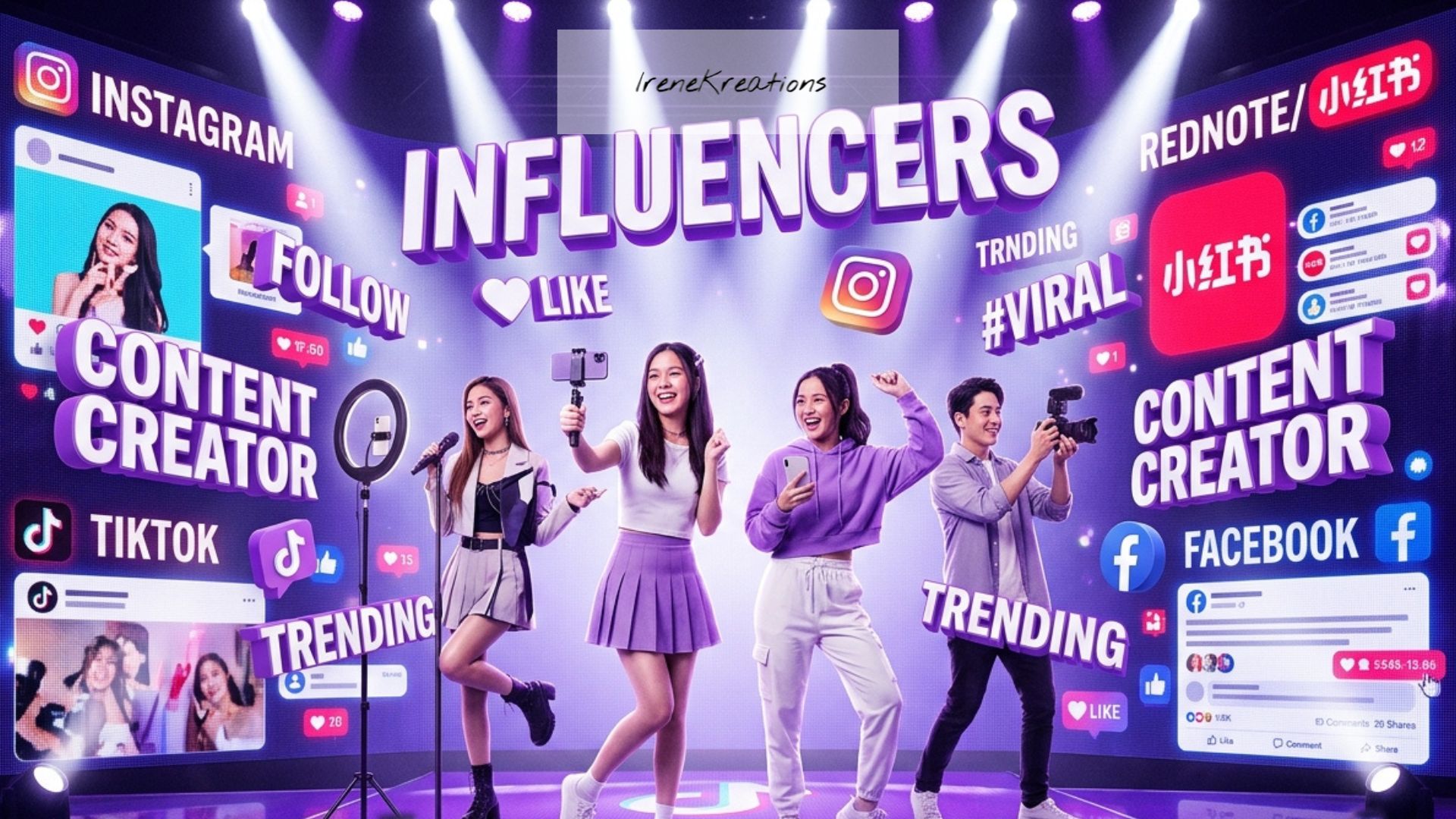
Influencer marketing is a form of marketing where businesses partner with content creators to introduce, review, or recommend their products or services to an engaged audience.
Rather than promoting a brand through traditional advertisements, influencers share their genuine experiences through content such as:
- Instagram posts
- Reels
- TikTok videos
- YouTube reviews
- Blog articles
- Facebook posts
- Telegram channels
- Xiaohongshu (RED) recommendations
- Livestreams
The goal isn’t simply exposure—it’s helping potential customers discover your brand through someone they already trust.
Why Does Influencer Marketing Matter?
Modern consumers don’t immediately trust advertisements anymore.
Before making a purchase, many people search for:
- Reviews
- Real-life experiences
- Before-and-after results
- Product demonstrations
- Recommendations from creators they follow
People often believe other consumers more than they believe advertisements.
When someone they trust recommends a product naturally, it reduces uncertainty and makes them more confident in trying it themselves.
Influencer marketing helps brands become part of these buying conversations.

How Influencer Marketing Works
Although every campaign is different, most successful influencer campaigns follow a straightforward process.
1. Set Clear Goals
First, decide what success looks like.
Common goals include:
- Increase brand awareness
- Launch a new product
- Generate website traffic
- Boost online sales
- Grow social media followers
- Collect user-generated content
- Increase store visits
Different goals require different influencer strategies.
2. Find the Right Influencers
The biggest creator isn’t always the best choice.
Instead, brands should look for creators whose audience matches their target customers.
For example:
- Beauty clinics work well with skincare creators.
- Restaurants benefit from food reviewers.
- Financial services suit finance educators.
- Family products fit parenting influencers.
- Travel brands collaborate with travel creators.
Relevance usually matters more than follower count.
3. Create Authentic Content
The most successful influencer content doesn’t feel like an advertisement.
Instead, creators may:
- Share personal experiences
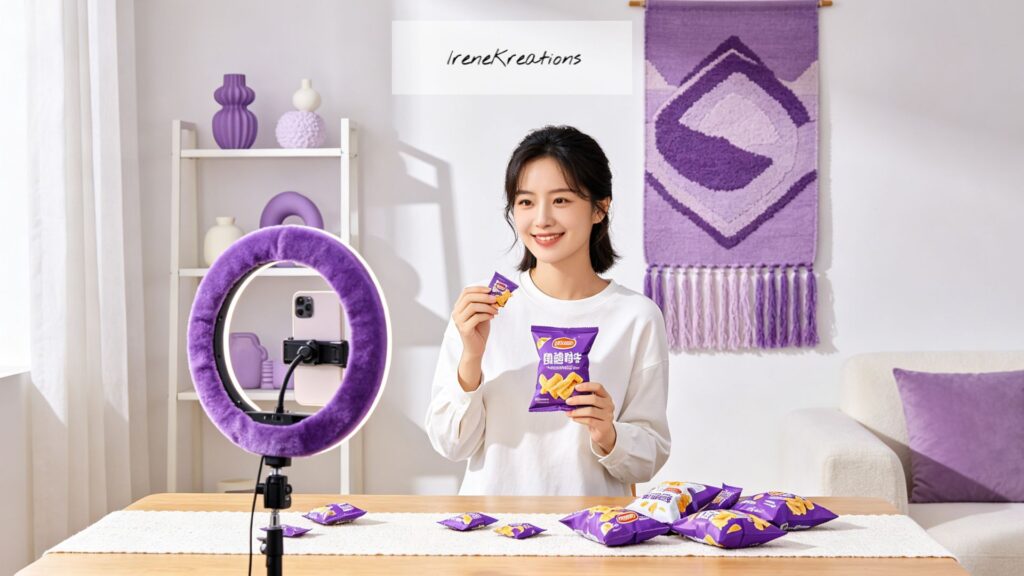
- Show how they use the product
- Explain benefits naturally
- Compare products
- Demonstrate results
- Answer common customer questions
Audiences can usually tell when a recommendation feels genuine versus overly scripted.
4. Publish Across Multiple Platforms
Brands often combine several platforms for greater reach.
Examples include:
- TikTok for viral discovery
- Instagram for visual storytelling
- YouTube for in-depth reviews
- Blogs for detailed information and Google search visibility
- Xiaohongshu (RED) for lifestyle recommendations
- Telegram for promotional campaigns
Using multiple channels helps customers encounter the brand at different stages of their buying journey.
5. Measure Results
After the campaign, brands evaluate performance using metrics such as:
- Reach
- Views
- Engagement
- Website visits
- Promo code usage
- Sales
- Customer inquiries
- Return on investment (ROI)
These insights help improve future campaigns.
Benefits of Influencer Marketing for Singapore Brands
1. Builds Trust Faster
People trust recommendations from real individuals more than polished advertisements.
Seeing someone demonstrate a product in everyday life makes it feel more believable.
This trust can shorten the time customers need before making a purchase.
2. Reaches Highly Targeted Audiences
Different creators attract different communities.
For example:
- Students
- Parents
- Professionals
- Fitness enthusiasts
- Food lovers
- Beauty enthusiasts
- Pet owners
- Travelers
Brands can reach exactly the audience they’re trying to attract instead of advertising to everyone.
3. Creates Authentic Content
Influencers don’t just promote products.
They create valuable content that brands can often reuse on:
- Websites
- Social media
- Online advertisements
- Product pages
- Email campaigns
This gives businesses a growing library of real customer-focused content.
4. Improves Social Proof
When multiple creators talk about the same brand, potential customers begin noticing recurring recommendations.
Repeated exposure builds confidence.
Instead of wondering whether anyone has tried the product, customers see many real people sharing their experiences.
5. Increases Online Visibility
Influencer content appears across many places online.
Potential customers may discover a brand through:
- TikTok search
- Instagram Explore
- Google search
- Blog articles
- YouTube
- Xiaohongshu (RED)
- Telegram communities
This increases the chances of customers finding the brand during their research.
6. Supports Product Launches
Launching a new product can be challenging when nobody has heard of it.
Influencer campaigns create early conversations and introduce products to the market quickly.
When multiple creators post around the same period, it creates momentum and excitement.
7. Encourages Customer Action
Many influencers include:
- Discount codes
- Giveaway campaigns
- Limited-time promotions
- Product demonstrations
- Shopping links
These make it easier for interested viewers to take the next step.
Limitations of Influencer Marketing
Influencer marketing is powerful, but it isn’t a guaranteed shortcut to success.
Brands should understand its limitations.
Results Take Planning
Choosing the wrong influencer or unclear campaign objectives can lead to disappointing outcomes.
Success depends on careful planning.
Follower Count Isn’t Everything
Some creators have large audiences but low engagement.
Others have smaller communities that trust their recommendations deeply.
Engagement quality often matters more than audience size.
Authenticity Cannot Be Forced
Overly scripted promotions often perform poorly.
Consumers recognize when creators are simply reading advertising copy.
Allowing creators some creative freedom usually produces better results.
One Campaign Isn’t Enough
Customers often need multiple touchpoints before making a purchase.
Consistent collaborations generally outperform one-off promotions.

Influencer Marketing vs Traditional Advertising
| Influencer Marketing | Traditional Advertising |
|---|---|
| Builds trust through real people | Relies on direct brand messaging |
| Encourages conversations | Primarily delivers information |
| Creates relatable content | Uses polished promotional materials |
| Often receives comments and shares | Usually offers one-way communication |
| Can continue generating traffic after posting | Visibility usually ends when the campaign stops |
Both approaches have value, but many successful Singapore brands combine them for better overall results.
The most common questions business owners are asking online:
Is influencer marketing only for large companies?
No.
Small businesses often work with local creators or micro-influencers who have highly engaged communities.
This approach can be more affordable while still delivering meaningful results.
Which industries benefit most?
Almost every industry can benefit, including:
- Food and beverage
- Beauty
- Healthcare
- Education
- Travel
- Finance
- Property
- Technology
- Fashion
- Home services
The key is finding creators whose audience matches your ideal customers.
How many influencers should a campaign have?
There isn’t a fixed number.
Some campaigns work well with a single trusted creator, while others involve dozens of influencers to maximize reach.
The right approach depends on your campaign goals, budget, and target audience.
How long before results appear?
Brand awareness can increase almost immediately after content is published.
However, building trust and influencing purchasing decisions often takes multiple campaigns over time.
Consistency usually produces stronger long-term results than one-off promotions.
Real Examples
Example 1: A Beauty Clinic
A skincare clinic invites several beauty creators to experience a facial treatment.
Each creator shares:
- Their skin concerns before treatment
- The treatment process
- Immediate results
- Follow-up updates a few days later
Potential customers gain a clearer understanding of what to expect and feel more confident booking an appointment.
Example 2: A New Café
A cafe partners with local food creators before its grand opening.
They post photos, short videos, and honest reviews highlighting signature dishes and the dining atmosphere.
The buzz encourages curious diners to visit during the launch period.
Example 3: An Online Store
An e-commerce business sends products to lifestyle creators across different social media platforms.
Each creator demonstrates how they use the products in daily life and shares exclusive discount codes.
Customers who trust those creators are more likely to click through and make a purchase.
Conclusion
Influencer marketing has become one of the most effective ways for Singapore brands to connect with modern consumers. Instead of relying solely on traditional advertising, businesses can build trust through authentic recommendations, real-life demonstrations, and meaningful conversations with engaged communities.
The most successful campaigns are not necessarily the ones with the biggest budgets—they are the ones that partner with the right creators, share genuine stories, and consistently provide value to potential customers.
As consumers continue to research products before buying, influencer marketing is no longer just an optional strategy. For many Singapore businesses, it has become an important part of building brand awareness, strengthening credibility, and supporting long-term business growth.