Reflections from NTU Nanyang Business School Marketing Industry Night
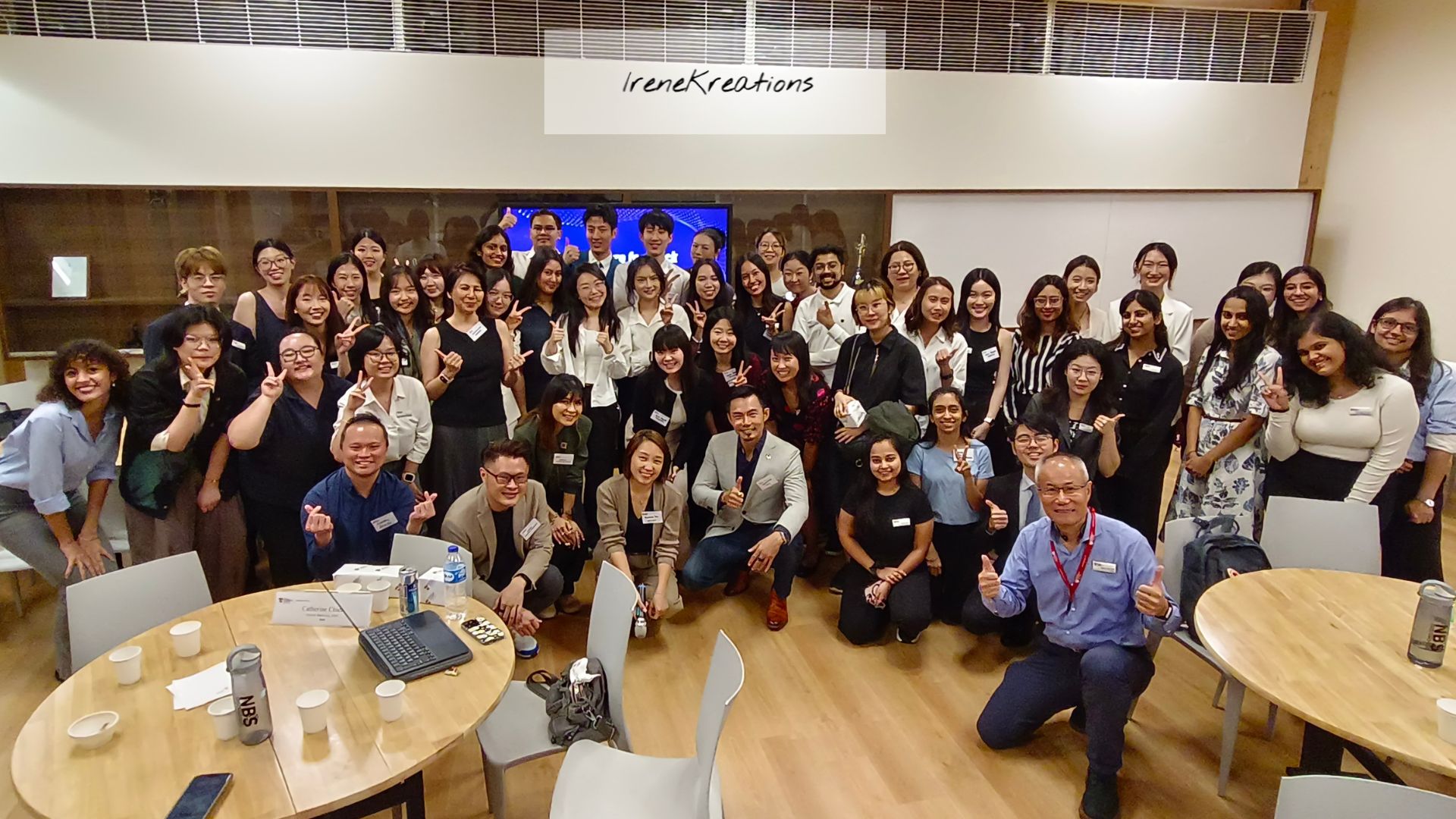
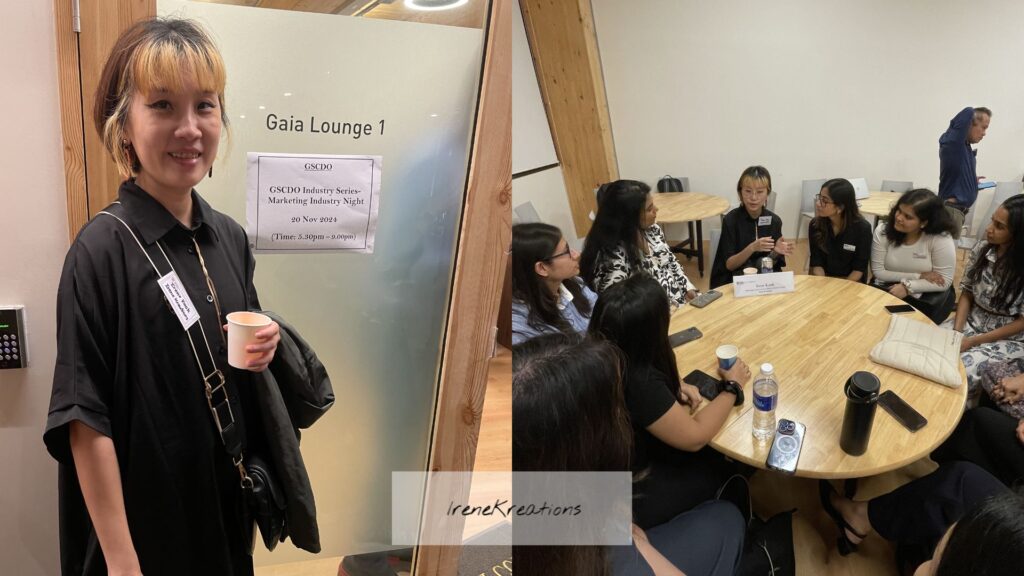
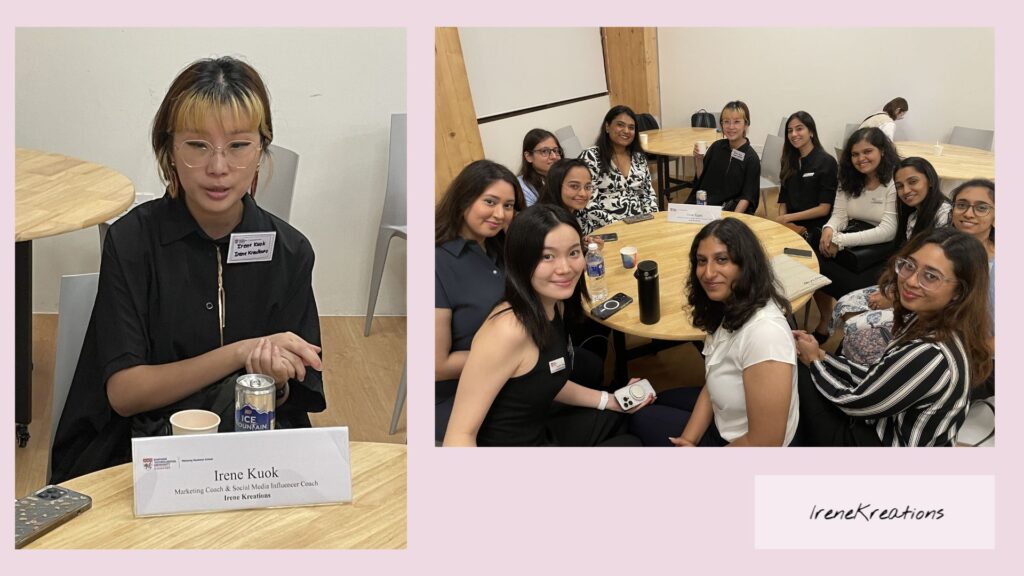
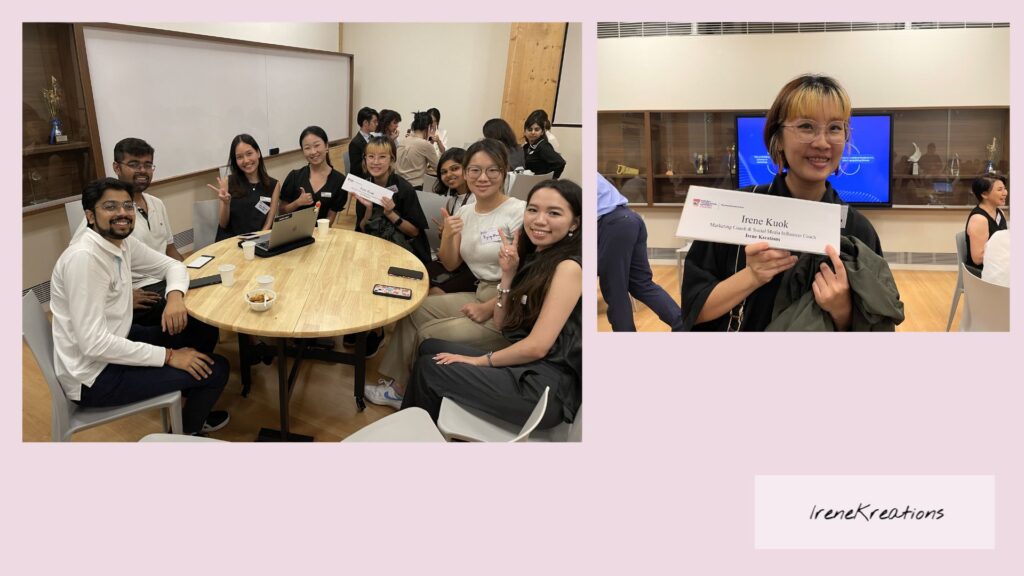
I had the privilege of speaking with students from Nanyang Technological University’s Nanyang Business School during their Marketing Industry Night.
Standing in a room full of future marketers always reminds me how quickly the industry evolves. I believe every year, students bring new questions, new perspectives, and new expectations about what a career in marketing should look like.
This session used a World Café–style discussion, which allowed small groups of students to ask direct, practical questions about content creation, digital marketing, and the realities of building influence online.
What stood out most was their curiosity. Rather than asking only about theory, many students were focused on how marketing actually works in practice today.
And interestingly, their questions reflected the same concerns I often hear from new marketers, content creators, and business owners in Singapore.
Below are some of the themes that emerged during the conversation.
The Questions Future Marketers Are Asking
1. How Do You Start a Career as a Content Creator or Influencer?
This question comes up almost every time I speak with students.
Many people assume that becoming a creator requires thousands of followers first. In reality, the process works in the opposite direction.
Creators grow by publishing consistently and learning from audience responses, not by waiting for a large audience before they start.
A practical starting approach includes:
- Choosing a clear niche or topic area
- Publishing content consistently
- Learning basic storytelling and visual presentation
- Understanding what audiences respond to
Influence online is rarely built overnight. It is built through pattern recognition, audience understanding, and strategic experimentation.
2. How Can Content Strategy Help Brands Sell?
Another common question was about the relationship between content and revenue.
Many students initially see content as something separate from marketing. But in reality, content is often the mechanism that builds trust before a sale happens.
Strategic content can help brands:
- Explain complex ideas clearly
- Demonstrate expertise
- Build familiarity with audiences
- Create emotional connection with potential customers
When content is designed strategically, it becomes part of a long-term brand positioning system, rather than just social media posts.
3. Can You Grow on Social Media With Very Few Followers?
Yes—and many successful creators began exactly that way.
One of the frameworks I shared during the session was the C.A.I. content framework, which helps simplify early-stage content strategy: Curiousity, Attention, Influence.
When these three elements work together, even small accounts can begin to gain traction.
Growth is rarely about follower count at the start. It is about clarity of value.
4. Which Social Media Platform Should Beginners Start With?
Students often worry about choosing the “right” platform.
The better question is usually:
Where does your intended audience already spend time?
For example:
| Platform | Best Use Case |
|---|---|
| Professional insights, industry discussions | |
| Visual storytelling and lifestyle content | |
| TikTok | Short-form educational or entertainment content |
| YouTube | In-depth educational or tutorial content |
Instead of trying to be everywhere, it is often more effective to focus on one platform first, understand its culture, and build confidence there.
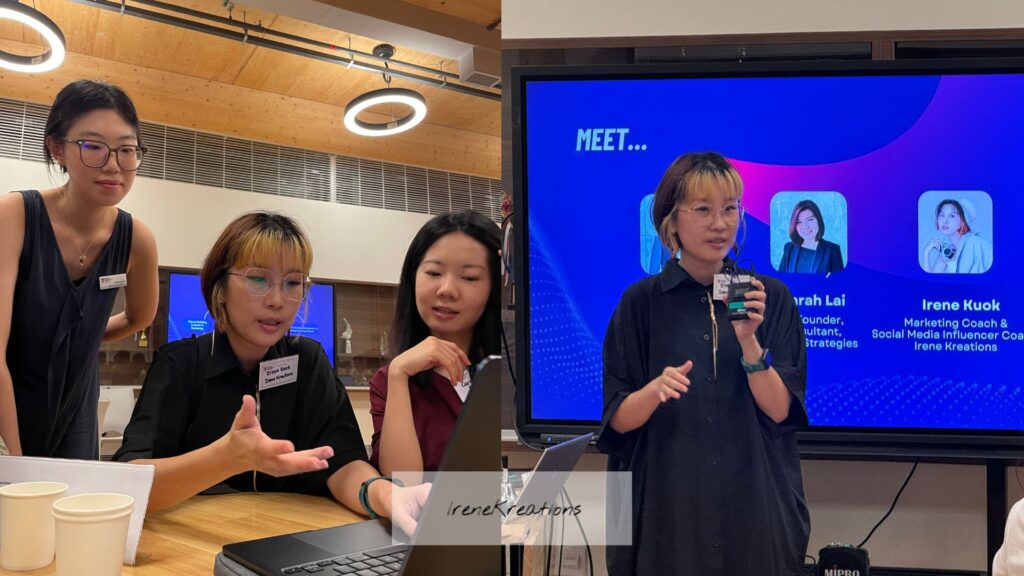
When One Question Leads to a Practical Solution
During the session, one student shared that she struggled with coming up with content ideas.
This is actually one of the most common barriers for beginners.
To help her move forward quickly, I created a custom AI-engineered prompt framework on the spot, designed to generate topic ideas based on her niche.
Within minutes, she had a structured list of potential content directions.
Moments like this highlight something important:
Often, the biggest obstacle in content creation isn’t talent or creativity —
it’s having a clear system to generate ideas consistently.
What Made the Evening Memorable
What stayed with me most was the energy in the room.
Students shared their internship experiences, discussed the platforms they were experimenting with, and openly explored how marketing careers might evolve in the future.
Conversations like these are a reminder that marketing is not only about tools or algorithms.
It is about curiosity, experimentation, and learning how people think.
Commonly Asked Questions About Content Creation & Marketing
What does a social content coach do?
A social content coach helps individuals and businesses learn how to create strategic content for social media platforms like Instagram, Facebook, Lemon8, Rednote, TikTok and YouTube.
This typically includes:
- content planning frameworks
- audience positioning
- storytelling techniques
- visual presentation strategies
At IreneKreations, coaching focuses on helping creators develop clarity, authority, and audience connection through content.
How can students in Singapore start learning digital marketing?
Students can begin by:
- Creating their own content projects
- Studying successful creators in their niche
- Learning SEO and audience psychology
- Practicing visual storytelling
Hands-on experimentation often teaches more than theory alone.
Is it possible to become a content creator without expensive equipment?
Yes. Most successful creators start with simple tools such as:
- a smartphone camera
- basic editing apps
- simple lighting setups
Consistency and clarity of message are usually more important than expensive equipment.
What marketing skills are most valuable for students today?
Some of the most valuable emerging skills include:
- Content strategy
- Audience psychology
- Visual storytelling
- SEO and search visibility
- AI-assisted content ideation
These skills allow marketers to adapt quickly as platforms evolve.
Questions Often Asked by Marketing Students in Singapore
Where can marketing students in Singapore learn content strategy?
Students often learn content strategy through a mix of:
- university marketing programs
- internships
- independent content projects
- mentorship or coaching programs
Workshops and industry talks can also provide practical exposure.
Are there marketing networking events for students in Singapore?
Yes, Singapore regularly hosts:
- marketing community events
- creator meetups
- industry networking sessions
- university-led marketing nights
These events allow students to connect with professionals and gain real-world insights into the industry.
Can Singapore students build a career as content creators?
Absolutely.
Singapore’s digital economy has created increasing demand for:
- content strategists
- brand storytellers
- influencer marketing specialists
- digital community managers
Students who develop both creative and strategic skills are well positioned for these opportunities.
Will AI replace content creators or make them more valuable?
AI can generate ideas and assist production, but human insight, storytelling, and audience empathy remain difficult to automate.
Creators who combine AI tools with strategic thinking may actually become more effective.
Can small creators outperform large influencers?
In many cases, yes.
Smaller creators often have:
- more engaged communities
- stronger niche positioning
- higher trust levels with audiences
Brands increasingly recognize the value of micro-creators with focused audiences.
What makes content truly memorable online?
Not necessarily production quality.
Memorable content usually contains:
- a clear insight
- an emotional connection
- a strong visual hook
- relevance to the viewer’s situation
Thanks for reading!
To the students who connected with me afterward — it was a pleasure meeting you.
✧⭒✦✧⭒✦◇ Get Social Media | Branding | Marketing | Content Strategy Support in Singapore ✦⭒✧✦⭒✧
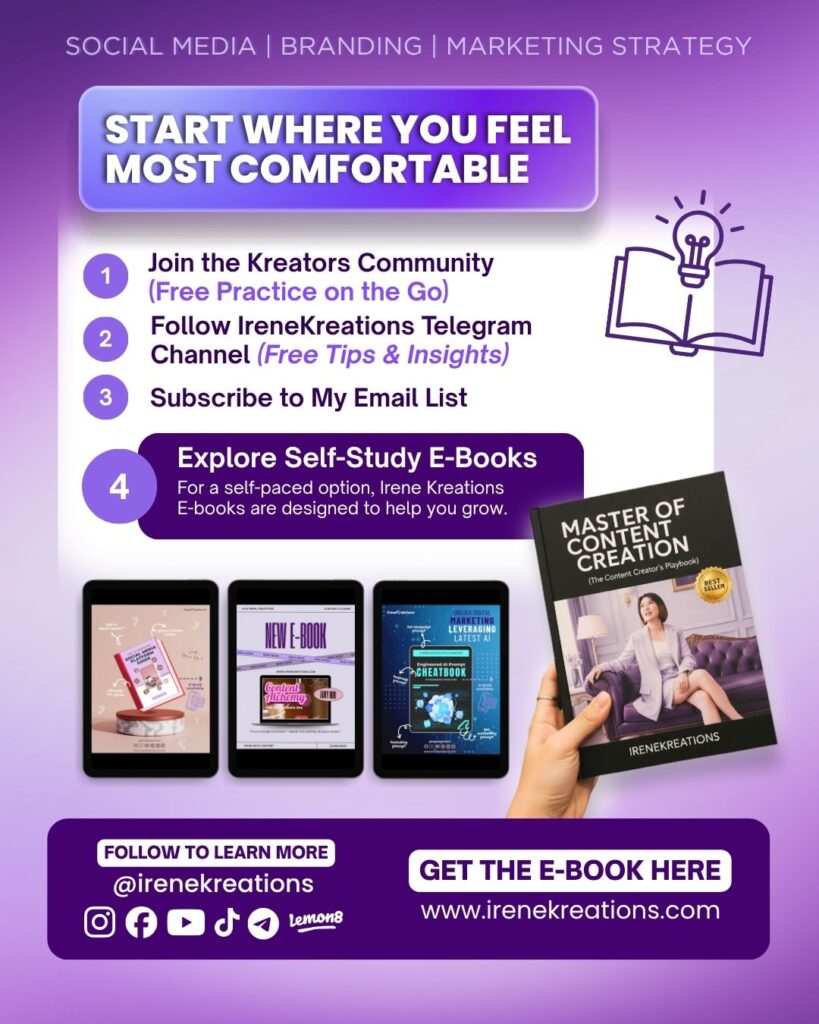
You can start in a way that feels more comfortable:
1. Join the Kreators Community (Free)
A supportive, non-transactional space where creators and business owners come together to learn, share, and grow.
It’s not about hard selling or competition — it’s more like a kampung-style environment where people:
-Exchange ideas and experiences
-Learn from Irene on the ground in a practical content creation session
-Build genuine connections with other creators & business owners
The focus is on growing together, not performing alone.
👉 [Join Kreators Community]
2. Explore Self-Study E-Books
If you prefer to process things at your own pace, IreneKreations E-books are designed to help you:
-Think clearer about your content and positioning (for a specific niche)
-Understand why you’re stuck (not just what to do)
-Build your own structure without overwhelm
👉 [Browse Growth Hacks E-Books Library]
3. Follow My Telegram Channel (Free Tips & Insights)
If you’re still observing and learning, this is a good place to start.
I regularly share:
-Practical content and branding insights
-Realtime Tips or Customer’s Proven Case Study
-Real thoughts behind strategy (not just surface tips)
-Observations from real business and creator experiences
-At times, leveraging AI for content marketing tips
👉 [Join IreneKreations Telegram Channel]
4. Subscribe to My Email List (Free Insights)
If you prefer something simple, you can join my mailing list.
This is where I share:
-Deeper breakdowns of Marketing knowledge and experience sharing
-Insights I don’t always post on social media
-Practical reflections to help you think more clearly about your direction
It’s designed for people who want steady clarity over time, not just quick tips.
👉 [Subscribe to Email List]
You don’t have to figure everything out alone.
But you also don’t have to rush your process.
Whether you prefer:
-Talking things through
-Learning at your own pace
-Getting small consistent insights
-Or simply observing for now
There’s a space for you here, built and supported by IreneKreations.