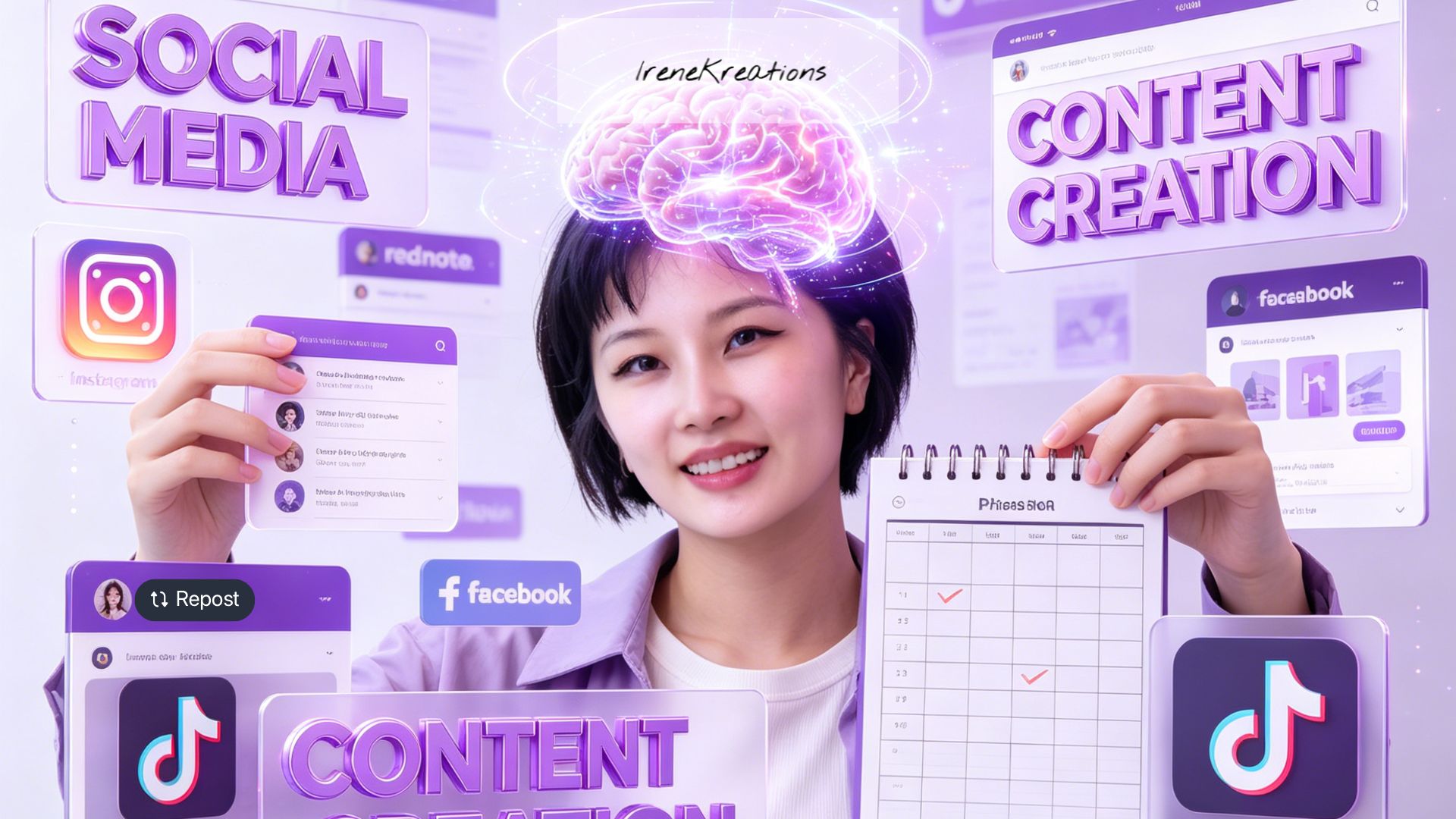
Social media content landscape these days, is no longer about using purely authentic images—visuals now are signals. Signals of trust, intent, positioning, and even credibility.
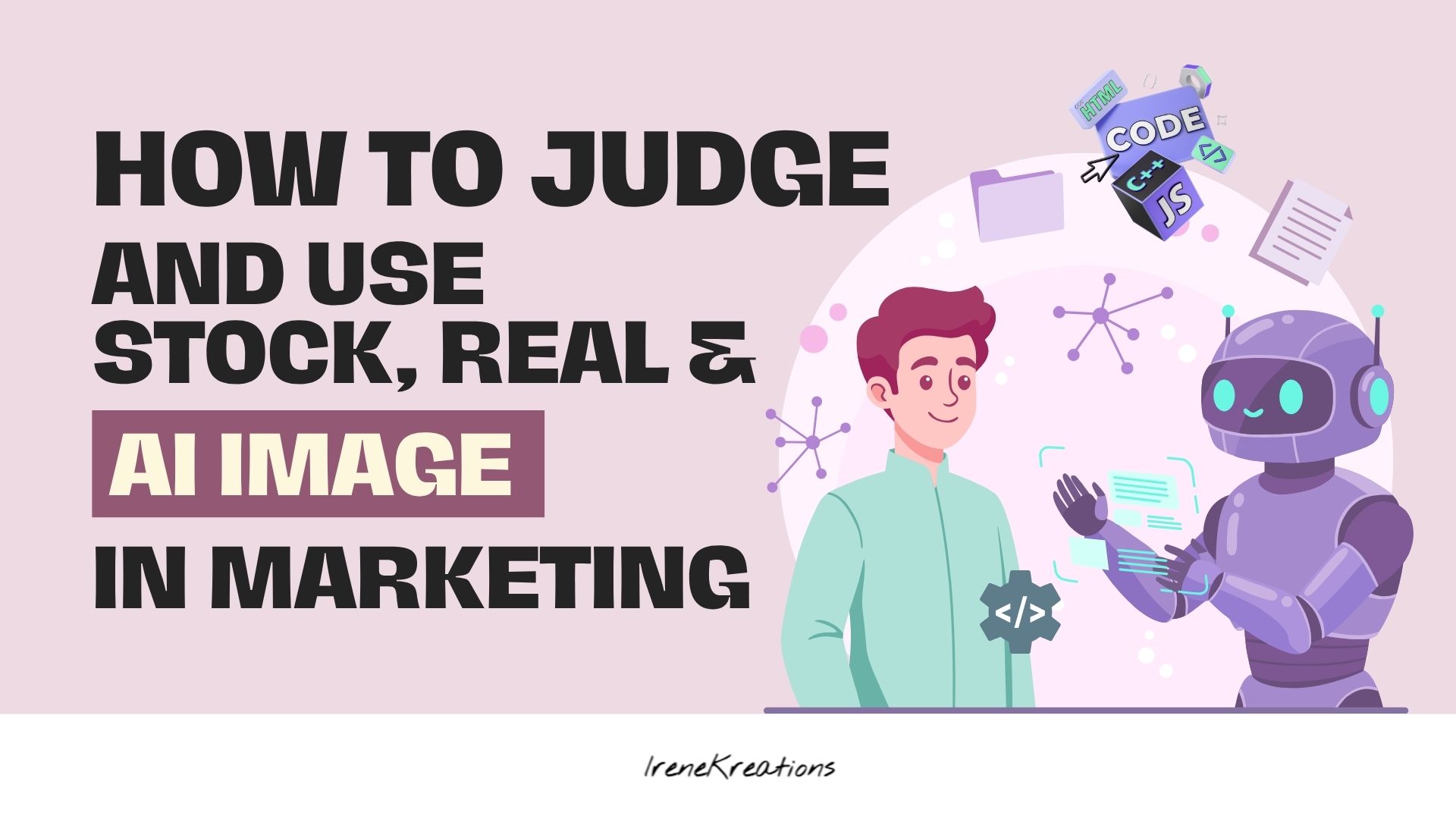
This guide breaks down how to judge image types and more importantly, how to strategically use them in marketing based on emotional intent.
Images Now Influence Buyer Psychology
Modern audiences subconsciously evaluate content based on:
- Authenticity
- Familiarity
- Visual quality
- Emotional resonance
- Perceived effort behind the content
An image is often the first layer of trust or doubt.
So instead of asking:
“Which image looks better?”
The better question is:
“What emotion and intent am I trying to trigger?”
Understanding the 3 Image Types in Marketing
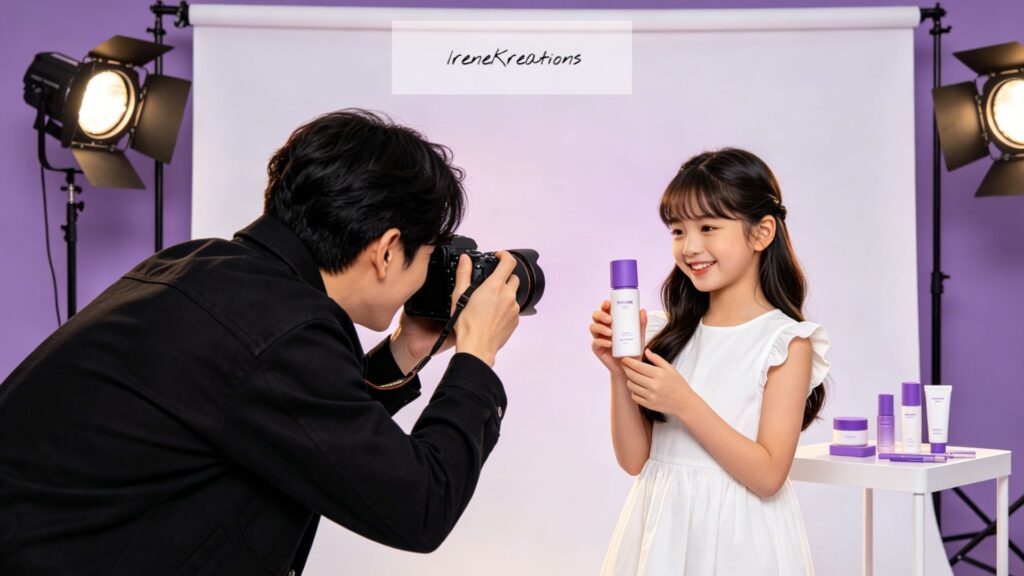
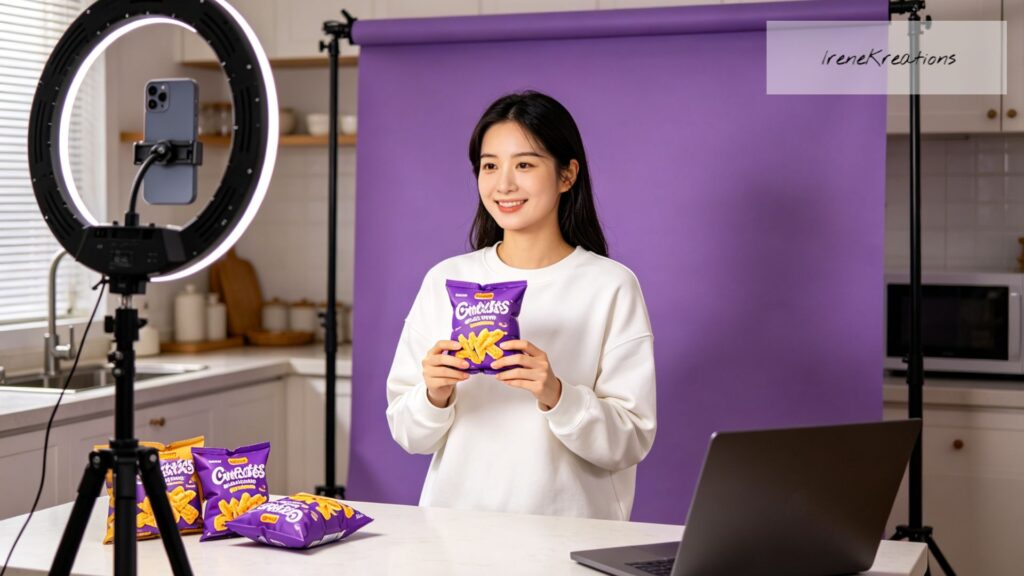
1. Real Images (Authentic Content)
These are photos or videos captured from actual situations:
- Behind-the-scenes
- Events
- Real people
- Actual product usage
Psychological effect:
- Builds trust
- Creates relatability
- Signals transparency
Best for:
- Personal branding
- Testimonials
- Case studies
- Event marketing
- Service-based businesses
2. Stock Images (Generic Visual Support)
Stock images are pre-created visuals designed for general use.
Psychological effect:
- Neutral and safe
- Easy to understand
- Low emotional depth
Best for:
- Educational content
- Blog articles
- Explaining concepts
- Filling visual gaps
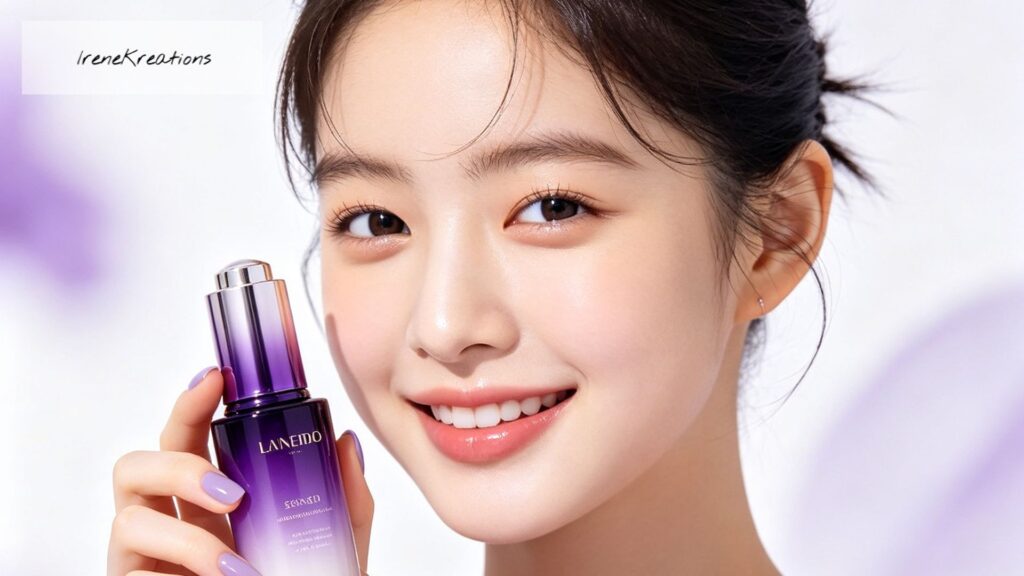
3. AI-Generated Images (Conceptual & Aesthetic Visuals)
AI visuals are created to express ideas, moods, or aesthetics rather than real-world accuracy.
Psychological effect:
- Attention-grabbing
- Novel
- Visually stimulating
- Sometimes slightly uncanny if overused
Best for:
- Concept storytelling
- Campaign visuals
- Creative branding
- Scroll-stopping thumbnails
The Strategic Framework:
Intent → Emotion → Format
Instead of randomly choosing visuals, align them with marketing intent.
1. Trust-Building Intent → Use Real Images
Emotion triggered: Safety, confidence, credibility
Use real visuals when:
- Showing proof of work
- Highlighting client results
- Sharing your process
- Introducing your brand story
2. Attention-Grabbing Intent → Use AI Visuals
Emotion triggered: Curiosity, intrigue, novelty
Use AI visuals when:
- Creating a visual hook
- Introducing a concept post
- Designing aesthetic brand themes
- Standing out in crowded feeds
3. Educational Intent → Use Stock or Simple Graphics
Emotion triggered: Clarity, understanding, ease
Use stock visuals when:
- Explaining frameworks
- Supporting written content
- Creating carousel posts
- Sharing structured information
Why this works:
The goal is comprehension—not distraction.
Emotional Intent Mapping (Marketing Perspective)
Here’s how emotional triggers align with format choice:
- Trust & Proof → Real images
- Curiosity & Attention → AI visuals
- Clarity & Learning → Stock visuals
- Connection & Storytelling → Real images
- Aspiration & Inspiration → AI + Real hybrid
- Conversion & Decision-making → Real images with evidence
The Hybrid Strategy (What Most Brands Miss)
High-performing content rarely relies on just one format.
Instead, combine them:
- AI → captures attention
- Real → builds trust
- Stock → supports understanding
This creates a natural content flow:
Scroll → Pause → Understand → Trust → Act
Common Mistakes in Visual Strategy
1. Overusing AI visuals
Looks attractive but:
- Reduces trust
- Feels less personal
- Weakens brand authenticity
2. Relying only on stock images
Leads to:
- Generic branding
- Low memorability
- Weak differentiation
3. Posting real content inconsistently
Results in:
- Fragmented brand identity
- Lack of narrative continuity
What people are attempting to clarify through search:
Q: What is a real photo?
A: A real photo is captured specifically for your brand, product, or team. It reflects authenticity, builds trust, and helps audiences connect with your business on a more personal level.
Q: What is a stock image?
A: Stock images are pre-shot photos created for general commercial use. They are easy to access and cost-effective, but often lack uniqueness because multiple brands may use the same visuals.
Q: What is the difference between stock images and AI-generated images?
Stock images are pre-shot professional photos licensed from libraries, while AI images are generated from text prompts and created digitally without a real camera.
Q: Which one performs better on social media?
It depends on intent. AI images often perform well for attention-grabbing or highly creative content, while stock images tend to work better for trust-building, educational, or professional messaging.
That said, both can still fail if the execution is poor—for example, visuals that feel dull, overly dark, poorly exposed, or lack composition can reduce impact. Over-edited images can also feel unnatural and less appealing to the eye.
Ultimately, what drives performance is less about the source of the image and more about the strength of the idea and intention behind it. Most high-performing content comes from clear creative direction, though occasionally, content without strong intent can still gain unexpected reach by rare chances.
Q: Can AI images replace stock images completely?
Not fully. AI is great for creative concepts, illustrations, or unique visuals. But stock images still work better when you need credibility, real-life context, or human authenticity.
Final Thought
In modern marketing, visuals are no longer just decoration—they are decision triggers.
A strong brand like doesn’t rely on one type of image. Instead, it uses each format intentionally:
- Real images to prove
- AI visuals to attract
- Stock images to explain
When aligned with emotional intent, this approach doesn’t just make content look better—it makes it work better.
✧⭒✦✧⭒✦◇ Get Social Media | Branding | Marketing | Content Strategy Support in Singapore ✦⭒✧✦⭒✧
You can start in a way that feels more comfortable:
1. Join the Kreators Community (Free)
A supportive, non-transactional space where creators and business owners come together to learn, share, and grow.
It’s not about hard selling or competition — it’s more like a kampung-style environment where people:
-Exchange ideas and experiences
-Learn from Irene on the ground in a practical content creation session
-Build genuine connections with other creators & business owners
The focus is on growing together, not performing alone.
👉 [Join Kreators Community]
2. Explore Self-Study E-Books
If you prefer to process things at your own pace, IreneKreations E-books are designed to help you:
-Think clearer about your content and positioning (for a specific niche)
-Understand why you’re stuck (not just what to do)
-Build your own structure without overwhelm
👉 [Browse Growth Hacks E-Books Library]
3. Follow My Telegram Channel (Free Tips & Insights)
If you’re still observing and learning, this is a good place to start.
I regularly share:
-Practical content and branding insights
-Realtime Tips or Customer’s Proven Case Study
-Real thoughts behind strategy (not just surface tips)
-Observations from real business and creator experiences
-At times, leveraging AI for content marketing tips
👉 [Join IreneKreations Telegram Channel]
4. Subscribe to My Email List (Free Insights)
If you prefer something simple, you can join my mailing list.
This is where I share:
-Deeper breakdowns of Marketing knowledge and experience sharing
-Insights I don’t always post on social media
-Practical reflections to help you think more clearly about your direction
It’s designed for people who want steady clarity over time, not just quick tips.
👉 [Subscribe to Email List]
You don’t have to figure everything out alone.
But you also don’t have to rush your process.
Whether you prefer:
-Talking things through
-Learning at your own pace
-Getting small consistent insights
-Or simply observing for now
There’s a space for you here, built and supported by IreneKreations.